The devil is in the details in this collection of well-crafted short fiction that sits on the uneasy border of slipstream and horror fiction. The pieces in this collection are as dense as novels, filled with telling, carefully chosen descriptions and character-revealing dialogue. When the supernatural (or counterfactual) appears, it has a rich background to interact with. In the opening tale, The Maiden Flight of McCauley’s Bellerophon, the relationship between the middle-aged men who attempt to recreate a mysterious film that documents a flying machine is rife with details about and character sketches that are as important and enticing as the steampunkish ‘hidden history’ trope the story is built around. Hand weaves together such disparate strands, such as late 70’s life, working at the Smithsonian, cancer, and the pains of widowhood and single fatherhood, in such a natural way that the ‘strangeness’ of the story is , while essential, just another fascinating plot point. The spooky Near Zennor terrifies by insinuation as much as by actual incidence: Hand creates a fascinating red herring subplot about a series of creepy children’s books that aid and abet the disquieting denouement of the tale. The collection is mostly dark fiction, but it’s closer to the work of, say, Isak Dinesen or Robert Aickman than it is to Stephen King or Clive Barker. Part of has to do with the elegant way Hand constructs her tales; each small world is crammed with essential detail, like a motherboard. For instance, the use of Icelandic folklore in Winter’s Wife, or the character study of the titular Uncle Lou. And part of it has do with the craft its self: even on the sentence-level, each image is exquisite. The one outlier piece in the collection, the Jack Vance pastiche Return of the Fire Witch, adds humor to the mostly bleakly beautiful collection.
The Next Big Thing Blog Hop.
What is the [working] title of your next book?
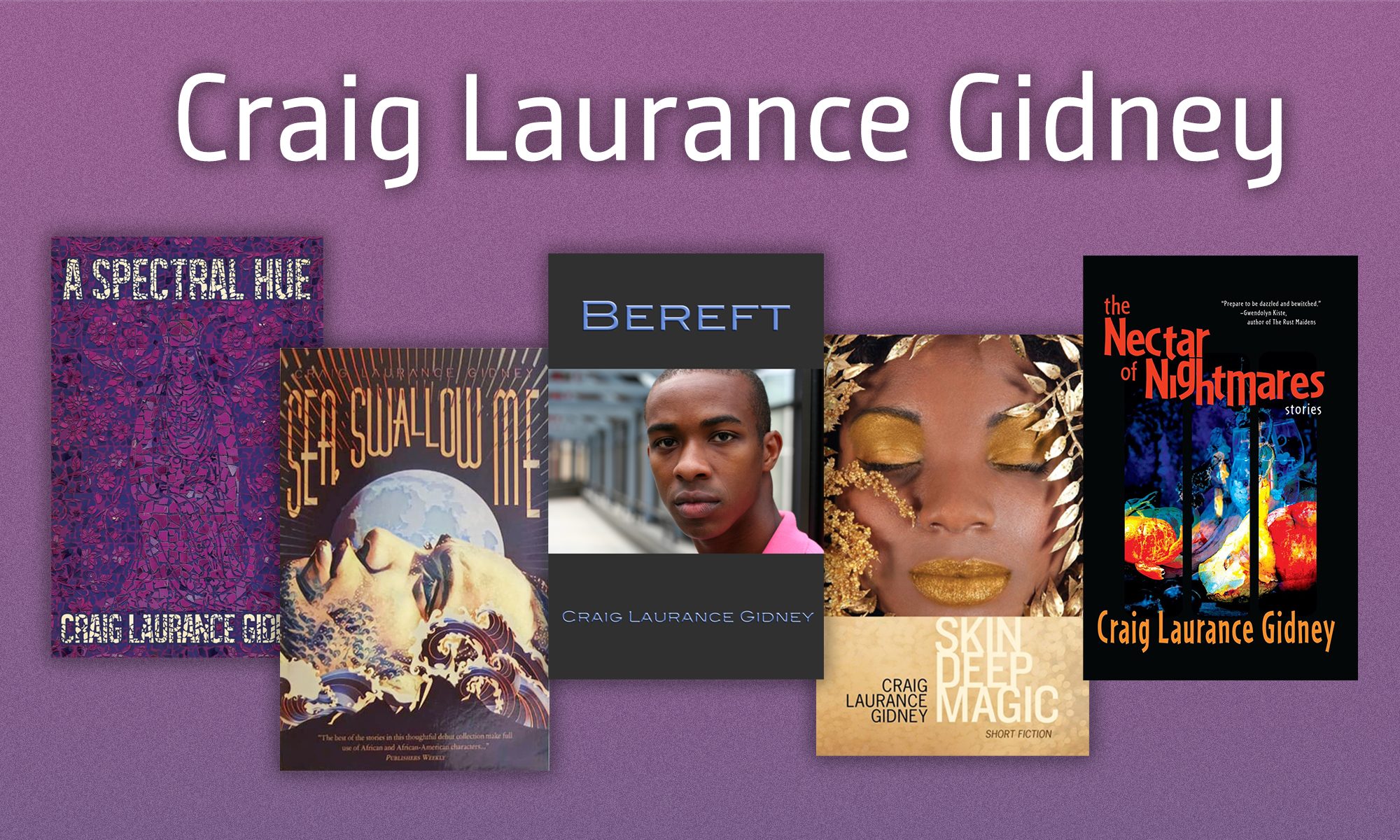
 BEREFT
Where did the idea come from for the book?
 The book is an expansion of a short story I wrote for an anthology called FROM WHERE WE SIT: Black Writers Write Black Youth. The story deals the psychological effects of bullying and being in the closet and racism. So, in a way, the ‘idea’ of the book came from me re-visiting my 14 year old self.
 What genre does your book fall under?
 Realistic Young Adult Fiction.
What actors would you choose to play the part of your characters in a movie rendition?
 Hmmm. Maybe Jaden Smith for the lead character.
What is the one-sentence synopsis of your book?
 14 Year Old Rafael Fannen wins a minority scholarship to Our Lady of the Woods school, where he must deal with bullies, racism and homophobia.
Will your book be self-published or represented by an agency?
 The book will be published by Tiny Satchel Press this January!
How long did it take you to write the first draft of the manuscript?
 8 Months
What other books would you compare this story to within your genre?
 I would compare it to Yukio Mishima’s Confessions of A Mask and James Baldwin’s coming of age fiction.
What else about the book might pique the reader’s interest?
 People who read genre fiction will like that my hero, Rafael, is a book nerd, and compares everything to the various fantasy books he’s read. Inside references to Game of Thrones series and the Narnia books abound.
Please check out the other folks who tagged me.
REVIEW: The Best of All Possible Worlds by Karen Lord (Spoiler Free)
A successful Science Fiction romance is a difficult thing to achieve. Part of it has to do with SF fans not wanting the romance part to interfere with scientific extrapolation. (In my experience, Romance readers are far more catholic in their tastes). The potential for camp (I’m thinking of Jacqueline Sussan’s Yargo), and the marketing of such a book add yet more layers.
Karen Lord’s second novel is completely different from her debut, the excellent retold/remixed Senegalese folktale Redemption in Indigo. It’s a love story hidden in and around a LeGuin-style anthropological quest/planetary travelogue novel. Mostly narrated in the first person by the vivacious and chatty government biotechnician Grace Delarua (with lots of clever asides and some exclamation points), The Best of All Possible Worlds follows the fate of the stoic, telepathic Sadiri, who have been relocated to Cygnus Beta after a viscous and unprecedented massacre on their home planet. Cygnus Beta is a sort of galactic dumping ground for orphans of the three strains of humanity (the Sadiri, the Ntshune, and the Zhinuvians). As such, there are trace elements of all cultures seeded and hidden in the large planet. Since the Sadiri population has been mostly decimated, they feel that they have to build up their population. Grace is assigned to assist the Sadiri in their quest to find suitable cultures and mates on Cygnus Beta.
Â
Grace’s main contact is Dllenahkh, who is the de facto leader of the mission, which mostly consists of visiting various settlements and cultures on the planet, and doing genetic testing. In this sense, Lord’s novel is almost a ‘mundane,’ or slice-of-life SF novel. There are no superheros or monsters, and the book has a leisurely, episodic pace—kind of like life. Because of that, Lord mostly focuses on the bizarre and intriguing chemistry between the impulsive Grace and the inscrutable Dllenahkh. Dllenahkh is neither a brooding hero or a Spock-like ascetic. He is a believable alien with odd flashes of recognizable human behavior that seem to surprise even himself.
Â
Plotwise, there are a lot of incidences and strange, ‘sense-of-wonder’ set pieces, which I won’t spoil. They aren’t just there for window-dressing for the Grace-Dllenahkh love story; various ethical issues are addressed, from the issue of ‘cultural purity’ to religion, to the issues around telepathy and privacy. (Because of this, the plot does tend to meander). Additionally, Lord does through a bone or two to techno-fetishists—with shades of Iain M. Banks Culture novels. But The Best of All Possible Worlds is ultimately a relationship novel. No, it’s not a Nicholas Sparks novel set in a far future; imagine Jane Austen at her most psychologically astute as written by Ursula LeGuin at her most cerebral.


You must be logged in to post a comment.