Tanzer talks about demons, moonshine and magic mushrooms. Check it out–and more importantly, her new novel Creatures of Want and Ruin!
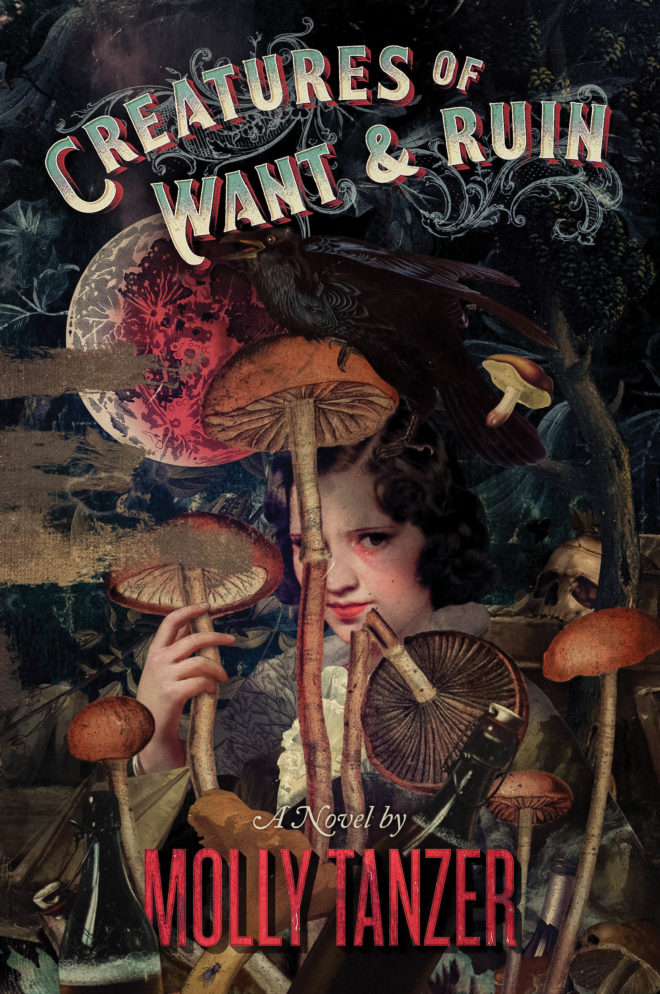
Tanzer talks about demons, moonshine and magic mushrooms. Check it out–and more importantly, her new novel Creatures of Want and Ruin!

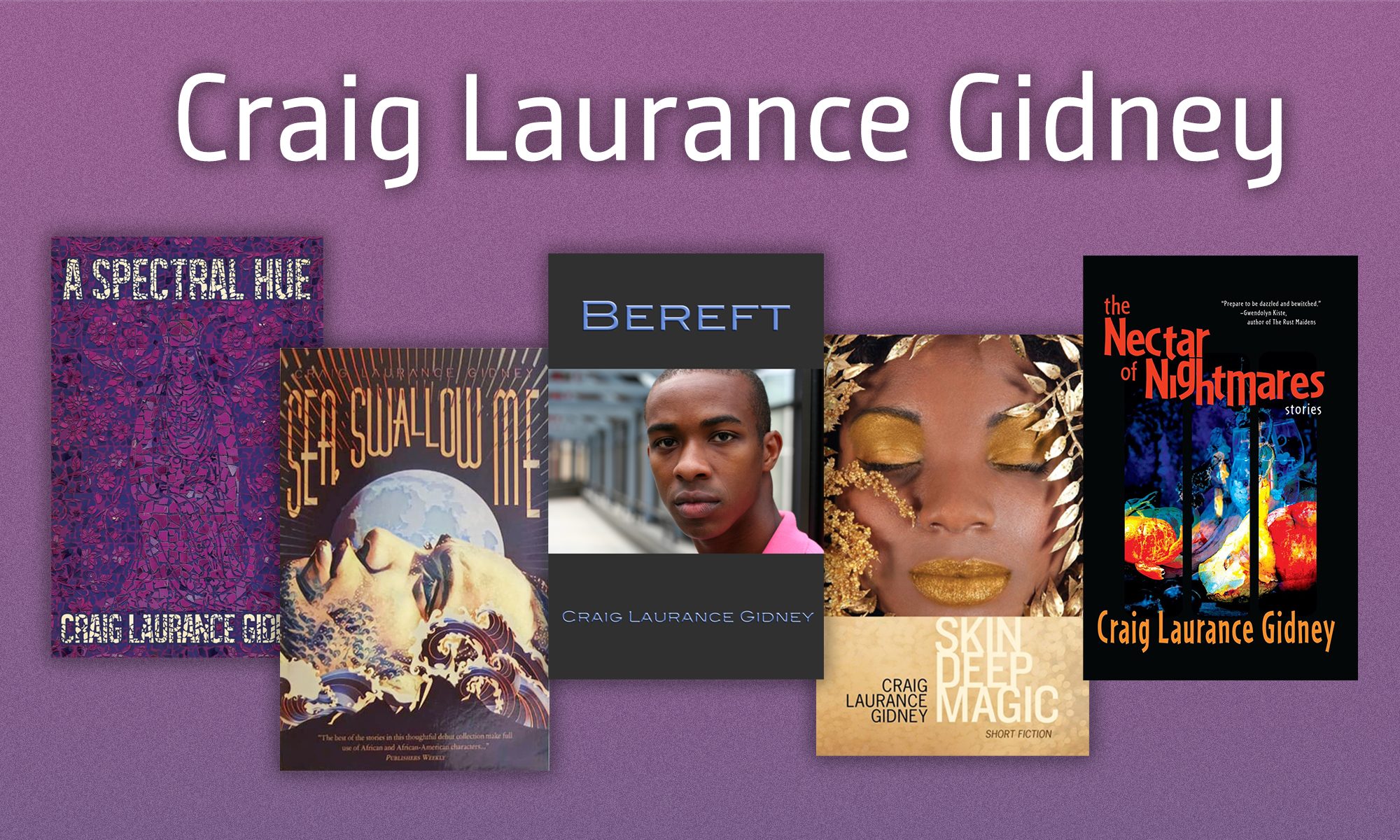
I saw Velvet Buzzsaw, Netflix film about haunted paintings and outsider art for a few reasons, foremost among them the fact that my forthcoming novel,A SPECTRAL HUE mines similar territory and shares some tropes.*
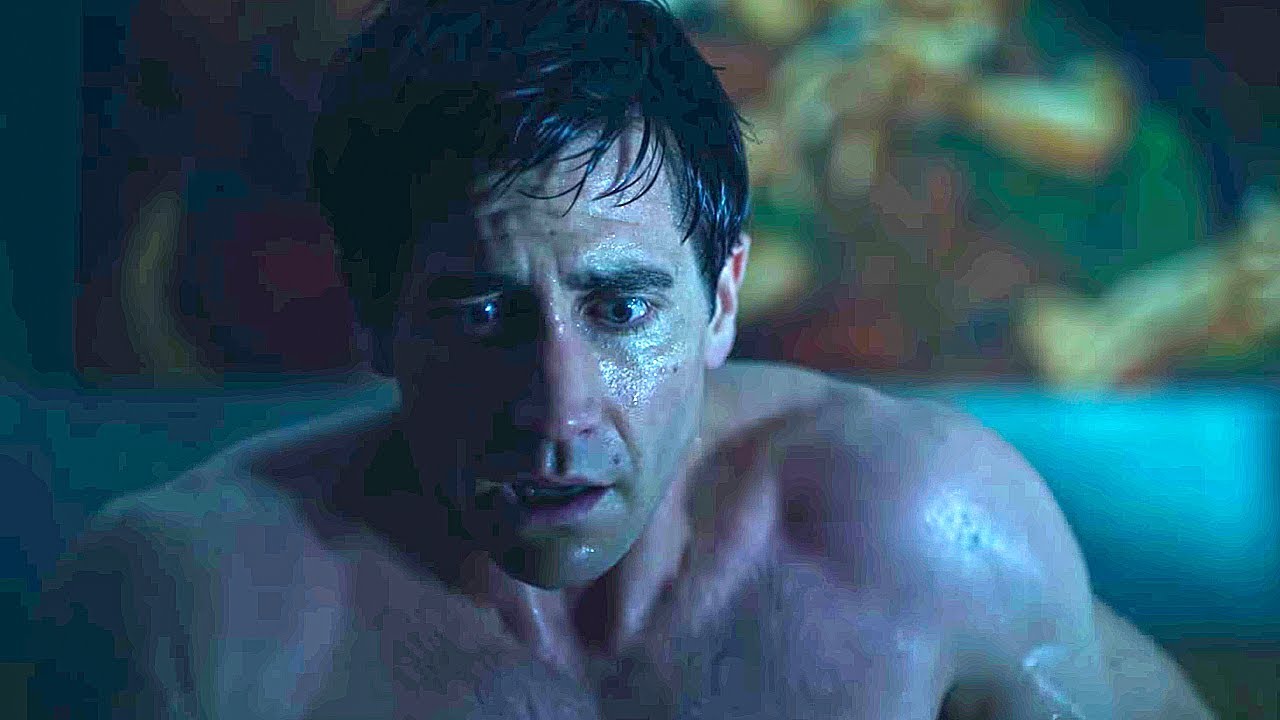
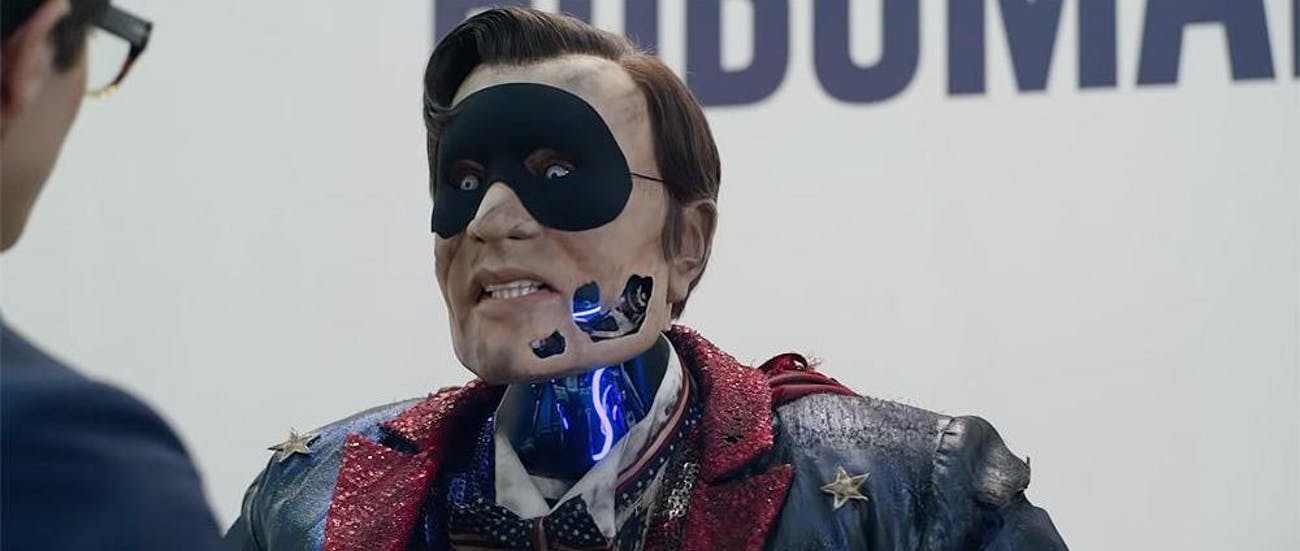
The movie stars Jake Gyllenhaal, Toni Collette and Rene Russo as dealers and critics in the contemporary art world. It starts out as a roman a clef/satire of that scene. Gyllenhaal plays a critic (loosely modeled on Jerry Saltz). Russo is an ex-punk rocker turned arts dealer, a nod to Sonic Youth’s Kim Gordon, and Collette plays a cutthroat curator. There’s no small element of camp in the performances and writing of these characters, as they pretentiously prattle on about the arts on display, some of which is shown in the film. (Which includes incomprehensible abstract art, and, most notably, a horrific robotic homeless person).
Russo’s put-upon underling (and Gyllenhaal’s secret affair), played by Zawe Ashton, sets the plot in motion when she discovers a cache of disturbing paintings left by her deceased reclusive neighbor. The discovery of the paintings resembles the discovery of Henry Darger’s work. (Darger’s epic novel and collage-based paintings were found after his death by his landlords). Vetril Dease, the artist, wanted his canvases destroyed, but the culture vultures ignore the directive and a feeding frenzy starts, as the dealers, curators and critics rush to promote the work as the Next Hot Thing.
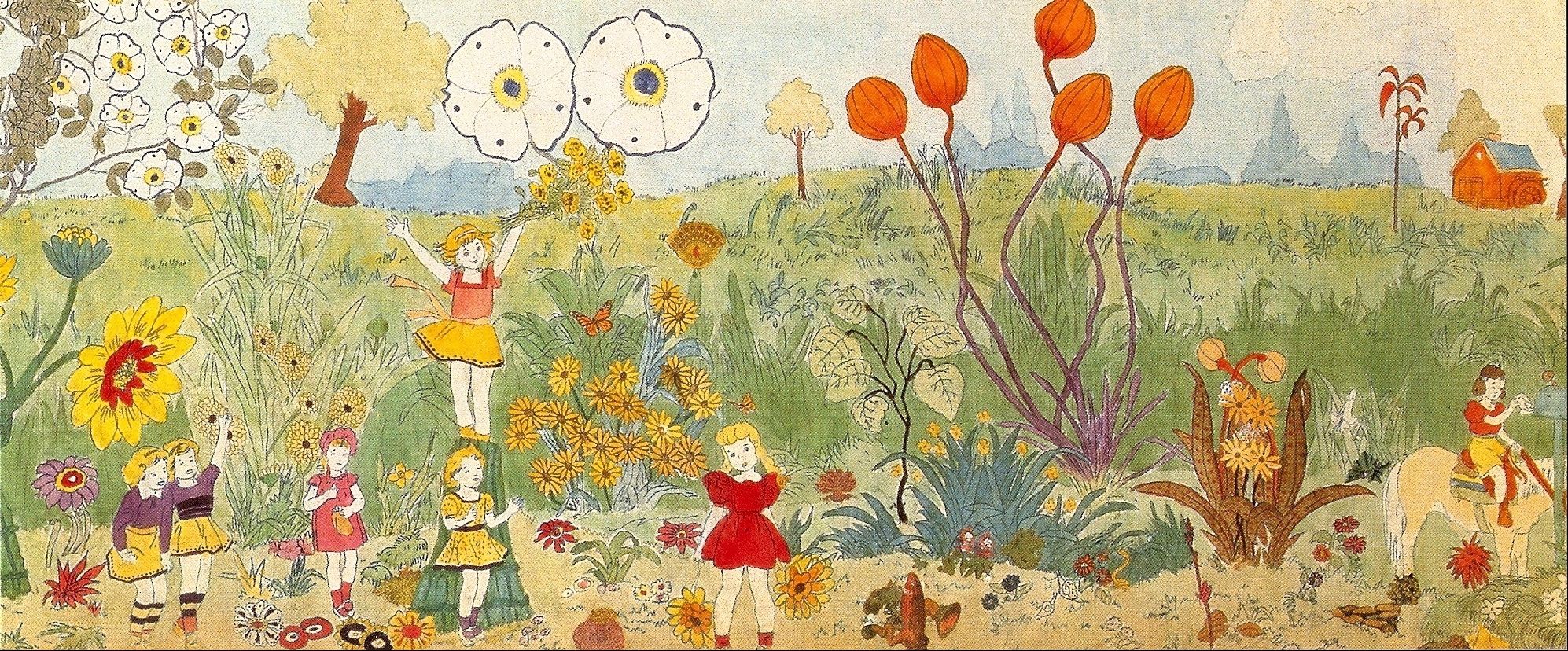
That’s when the supernatural element comes into play, and Velvet Buzzsaw turns into a moralistic slasher film. The death sequences are inventive, but the actual haunting—its rules and mechanisms—are not explored. There’s an under-developed subplot about Dease’s mental instability and possible murderous activities. All of that takes the backseat to the stylish comeuppances.
As a ghost/horror story, the movie didn’t work for me. As an over the top jeremiad against the contemporary art scene, the message is muddled. For all that, I’m glad that it was made and the performances were entertaining if a little too cartoonish.
*A SPECTRAL HUE features an art critic and haunted outsider art work, but goes in a completely different direction and mood. The Outsider art in the novel is partial inspired by the quilt makers of Gee’s Bend.
When I was in high school, I wrote a story inspired by the work of the Eudora Welty and Flannery O’Connor. I was going through a Southern writers kick back then. The story was about the friendship between two women, one white, the other black in the deep South. The white woman became friends with the black woman because her out-of-wedlock pregnancy made her a pariah in her small town.
I submitted the story to the school literary magazine. I went to a small, mostly white Episcopalian high school in the DC suburbs that was moderately conservative. The vice principal rejected the story as being “immoral” (there was no sex in the story, it was just two women reminiscing, like a two person play).
The next year, the literary magazine published a story by a white girl about a homeless black woman who kills a man in a robbery and uses the money to feed her kid. The first line in that story, I’ll never forgot, had the would-be murderess’ child say, “Momma, I be huuuungry.” (Of course, the mother in the story presumably also “immoral” in the same way my piece was).
That was one of my first experiences with blatant bias and revealed how White Privilege works. A literary story by a black boy was “immoral” and “filthy because it alluded to illegitimacy;” a story by a white girl, full of violence and stereotypes (and poorly rendered African American English), however, was acceptable.
Thirty years later, we’re still centering white voices over people of colors’.
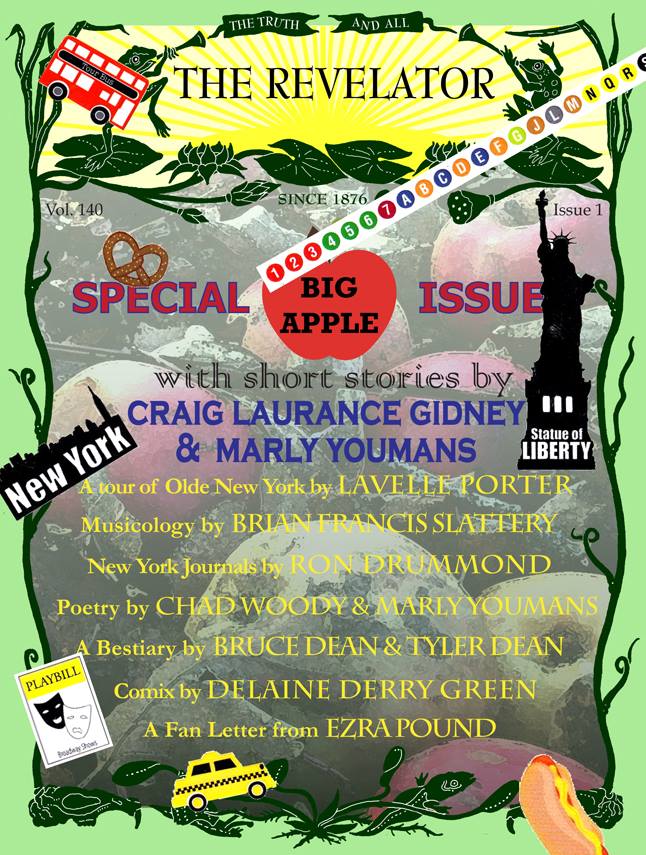
My post Harlem Renaissance fantasy story, “Black Winged Roses” is featured in the new edition of The Revelator Magazine, along side other authors and artists–Marly Youmans, Lavelle Porter, Ron Drummond, and Brian Francis Slattery and Ezra Pound (!!!!)
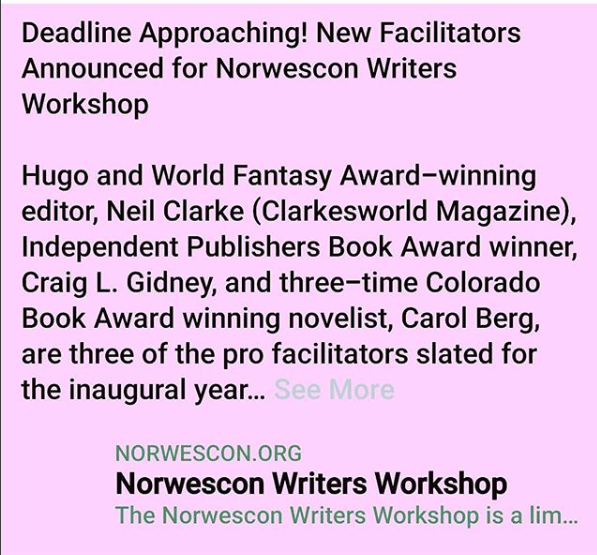
Hugo and World Fantasy Award-winning editor, Neil Clarke (Clarkesworld Magazine), Independent Publishers Book Award winner, Craig L. Gidney, and three-time Colorado Book Award winning novelist, Carol Berg, are three of the pro facilitators slated for the inaugural year of the Norwescon Writers Workshop. More facilitators will be announced soon! The workshop will be held during Norwescon 42. Short stories and novel chapters are being accepted now for the Norwescon Writers Workshop. Please click here for guidelines and other information: Norwescon. The deadline is December 9, 2018!
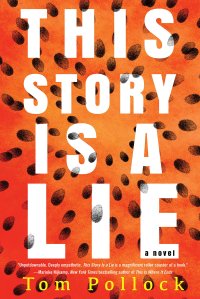
My interview with British YA author Tom Pollock is now up at the Washington Independent Review of Books. He discusses his new novel THIS STORY IS A LIE (British title: WHITE RABBIT, RED WOLF).

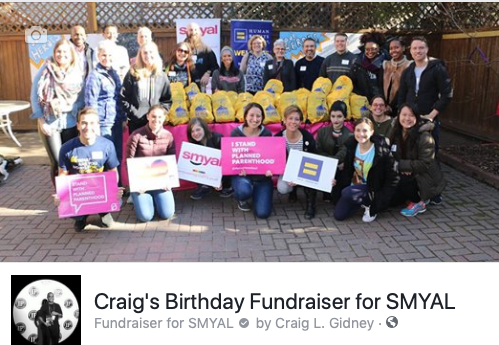
I’m raising donations for SMYAL–the LGBTQ Youth Group in the Nation’s Capital. I attended Supporting and Mentoring Youth Advocates and Leaders (SMYAL) back when I was first coming out, and can vouch from a consumer perspective the importance of the work for LGBTQ youth, who are an at-risk population. (In fact, a group like SMYAL makes an oblique appearance in my forthcoming novel!)
Here is some more information on the group:
SMYAL (Supporting and Mentoring Youth Advocates and Leaders) supports and empowers lesbian, gay, bisexual, transgender, and questioning (LGBTQ) youth in the Washington, DC, metropolitan region. Through youth leadership, SMYAL creates opportunities for LGBTQ youth to build self-confidence, develop critical life skills, and engage their peers and community through service and advocacy. Committed to social change, SMYAL builds, sustains, and advocates for programs, policies, and services that LGBTQ youth need as they grow into adulthood.
The Facebook fundraiser page is here.
Stalker vs. Love Interest, the Capclave panel I was on was recorded for the Geek Girl podcast. Hear me, Alyssa Wong, A.C. Wise, and Jeanne Adams talk about Pepe Le Pew, Urkel, Edward the Vampire and Christian Grey.




 Craig Laurance Gidney
You must be logged in to post a comment.