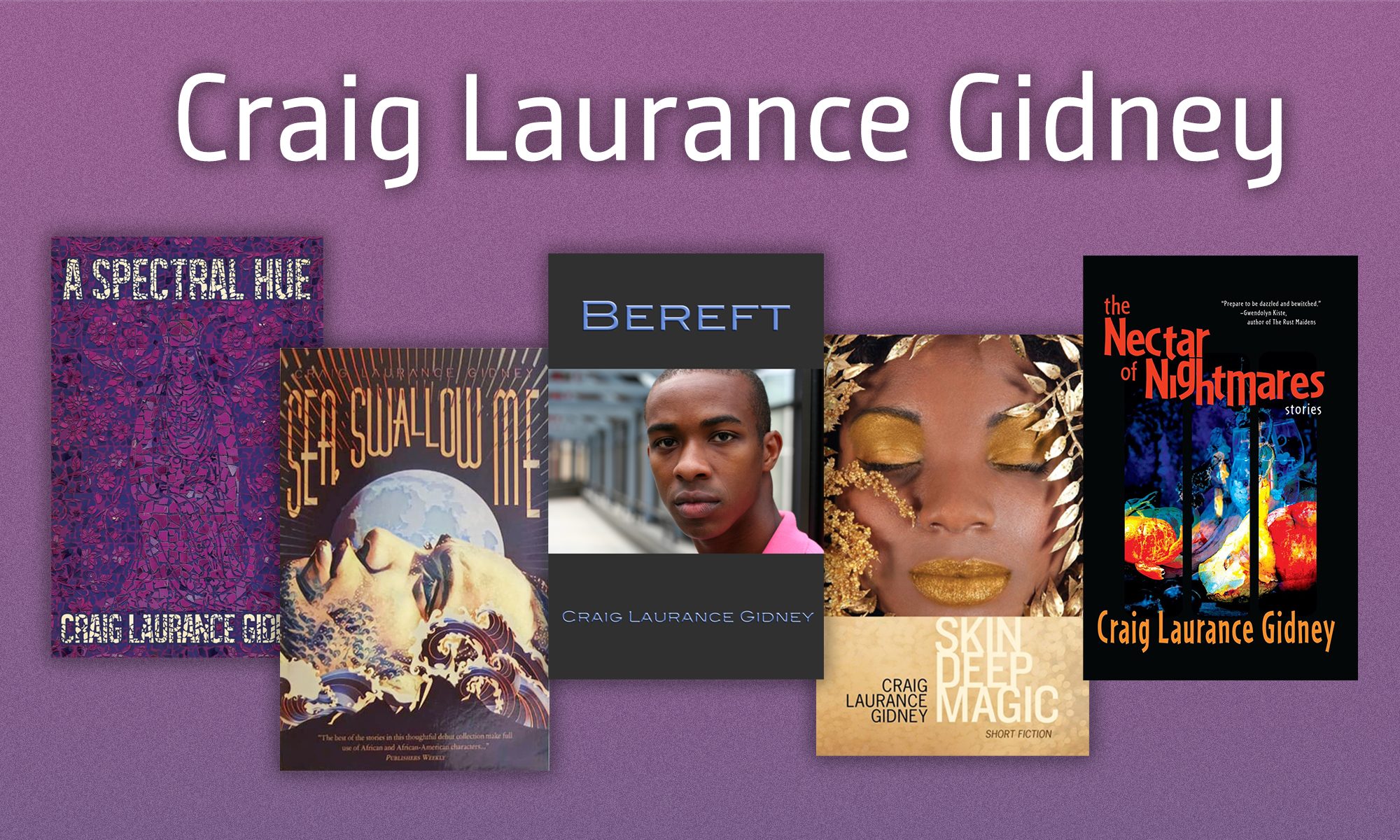

Feel free to distribute! Any help promoting this book is greatly appreciated.
Ah, the elusive Muse.

Muses are the personification of inspiration and are artistically depicted as beautiful women, garbed in flowing gowns, igniting the Artist’s passion and guiding him/her to capture the images in their heads. The concept of the muse as a person or creature comes from Greek mythology, but the idea is entrenched in Western culture to the point that actual living people are retroactively assigned the role: I’m thinking of Wyeth’s Helga and Proust’s Albert(ine). The Muse figure sparks creativity, and goads the artist on. There is a kind of possession that takes place, driving the artist to work at odd hours. She can helpful, a kind of fairy godmother, or a madness-inducing demon. And then there are times when the Muse is dormant. The Muse that cannot be summoned, and drags the artist to self destruction.
In my formative years, I syncretized my childhood imaginary friend with my muse. After all, my imaginary friend actually was female, and, in addition to having witchy powers, she was a writer. I’d often joke that my muse was lazy, distracted, and mean. But as I grew, I began to find the idea of being chained to Inspiration (which is the major aspect of Musedom), both as an idea and a metaphor for writing to be precious and limiting. Inspiration, of course, is very important. We’ve all been compelled to create at the drop of a hat, as soon an image or idea forms in your mind. But the act writing (and other art forms) is mundane and craft-based. Inspiration tends to abandon you at the syntax level. Accordingly, I have changed my conception of the Muse.
Instead of being one person or figure, I make my characters my muse. And I include things like Setting, Mood, and Language as characters. I find that using these things as touchstones, I can (usually) navigate a particularly difficult patch of writing. When you dialogue with your text, ask questions, make it a living thing that you interact with, it takes shape. Then you are no longer at the mercy of the temperamental whims of your muse.
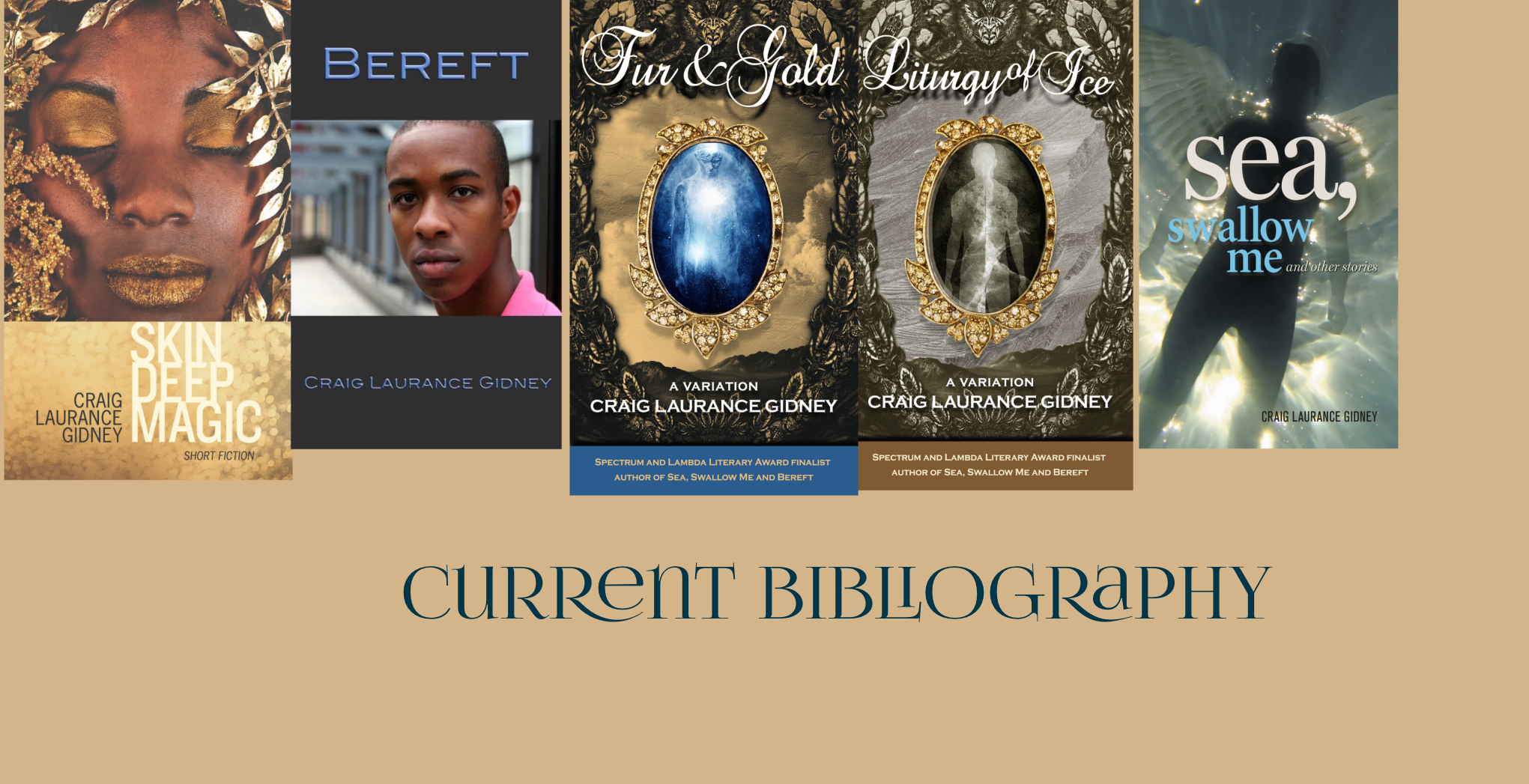
What type of author am I?
Sometimes, I’m marketed as a speculative fiction writer. Other times, as a black gay writer. When I self-published two stories, I cross-marketed myself as a M/M author (along with a dark fantasy tag). And there was the year when I marketed myself as a YA author dealing with the issues of bullying, racism, and homophobia.
Here’s the thing: I hate marketing myself. My preferred elevator pitch—I’m influenced by Tanith Lee, Toni Morrision, Flannery O’Connor, Kafka, Samuel R. Delany and Shirley Jackson—seems to confuse people. To me, even my ‘realistic’ fiction alludes to the fantasy fiction I love, and my fantasy/horror is deeply inspired and influenced by ‘real life’ issues like racism and homophobia. I hate the way gay fiction is often marketed—the parade of glistening torsos and six pack abs do not appeal to me at all and furthermore, doesn’t really reflect my work. I don’t want to be put in the “black/African-American literature” section of the bookstore; it limits my audience and besides my characters are not all POC (or gay, or men). My speculative fiction is ‘literary,’ and my ‘literary’ fiction has tons of allusions to spec fiction.
I think the best way to describe my fiction is Interstitial Fiction. Which only causes even more blank looks. My forthcoming book, Skin Deep Magic, can be marketed in a variety of ways. Allegory, satire, horror, magic, and Gothic forms are represented in the 10 pieces. Race and sexuality are thematic concerns. I can only hope that the book reaches its various audiences.

I finally saw The Fall, a 2009 indie movie by Tarsem Singh. Like Beasts of the Southern Wild and Pan’s Labyrinth, it uses the archetypes of fantastic, imaginative storytelling to mask a bleaker reality. In 1920s California, young immigrant orphan Alexandria is convalescing from an obliquely referenced illness. By chance, she runs into Roy, a stuntman who is convalescing from a suicide attempt. Roy spins fabulist yarns for the 5 year old child, full of whimsy and derring-do. In return, she unwittingly helps Roy with his morphine addiction. The real star is the gorgeous, surreal set pieces that reference paintings by Dali and De Chirico. An extra resonance to the viewing was that I was ill at the time, and needed some fantasy in my life.


The book is currently at the proof stage. The interiors are lovely. As soon as I turn it in to the publisher (Rebel Satori Press), I will have a firm release date and begin to set up events and other promotional activities.
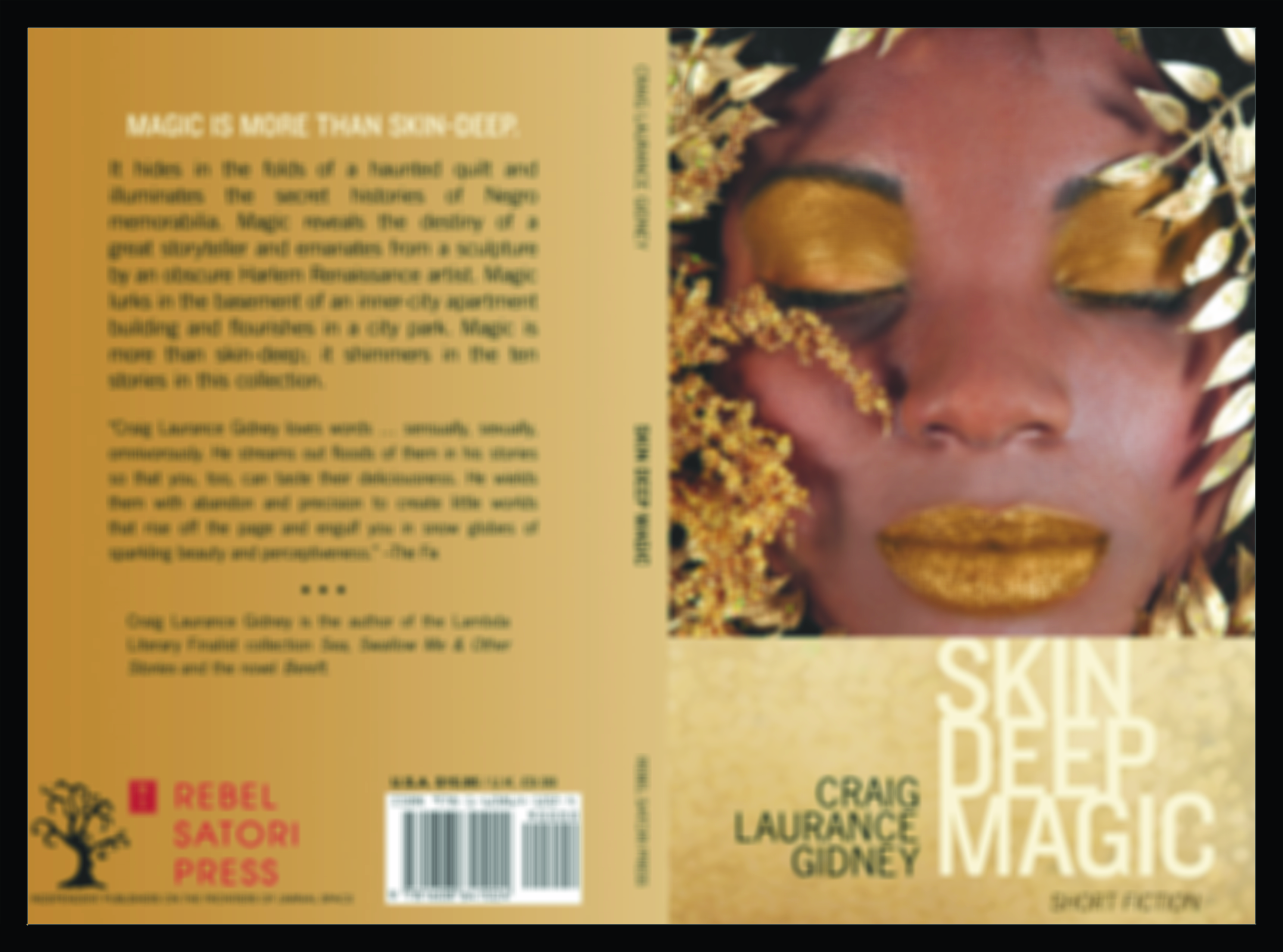
I have excerpts from the two short stories in my Variations series of short stories.
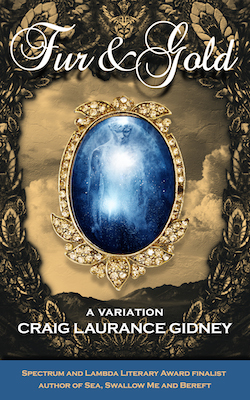
Fur & Gold, loosely based on Beauty and the Beast, is here.
Liturgy of Ice, inspired by The Snow Queen, is here.

Both are dark and homoerotic. They were fun to write! Hopefully, the excerpts will entice you to buy them, (available in a variety of ebook formats).
My rating: 3 of 5 stars
What I Learned from this book:
1. Keep your plot in motion. The pacing of this novel is like a juggernaut. Relentless, full of suspense and strong enough to ignore any plot holes or inconsistencies. Hill wastes no time getting to the point.
2. Flawed characters are compelling but I found Vic to be too damaged to care about. I would have liked her to be a little more sympathetic. Maybe if there were more scenes between her and her family during the good times, or a scene or two of her working on the Search Engine books.
3. The Big Bad wasn’t as scary as his henchman, much in the same way that Darth Vader is more compelling than the Emperor. Part of this has to do with the fact that Bing Partridge was flamboyantly evil, and loved raping and torturing his victims. I hated being in his brain and reading from his point of view. Charles Manx, by contrast, is subdued.
4. Some of the writing gimmicks (bolded text and capitalization) were clunky and threw me out of the story. The main gimmick–ending a chapter with a dangling sentence and finishing it in the next chapter–was ingenious.
5. I loved the portmanteau magic system. Cars and motorcycle geekery; magic Scrabble tiles; magic bridges and pocket universes. It was fun and inventive.
6. The author wisely gives the reader plenty of nightmare fuel. Evil children! Haunted amusement parks! A moon with a face! Hill isn’t stingy with the dark surreality; he gives his readers a steady stream.
I learned a lot about crafting dark fantasy/horror fiction from this book. A couple of fine tunings, and this would have been even better.

PARTICIPANTS





Calling you, tears thaw my sleep
Wanting you, this hoary web is weaved
From this strange confusion
Grows a perverse communication
It enthralls me and coils me around
—“The Sweetest Chill,” by Siouxsie and the Banshees
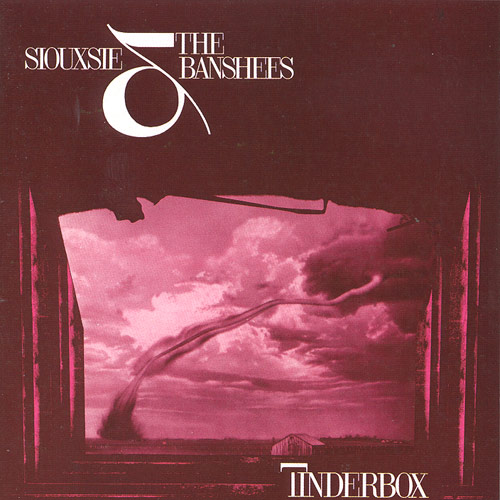
“Liturgy of Ice,” dark, queer take on “The Snow Queen,” was partially inspired by the song “The Sweetest Chill” by Goth Ice Queen Siouxsie Sioux. It’s a beautifully unsettling ballad of romantic obsession, full of wintry images.
Music, of course, is one of my major obsessions, and my love for it spills over into my fiction. The first Variation took its title from Bat for Lashes first album, “Fur & Gold.”
Liturgy of Ice was inspired by one of my favorite fairytales, The Snow Queen. I use the fairytale imagery as a mediation isolation and loneliness.
Other inspirations: “The Sweetest Chill,” by Siouxsie & the Banshees; Philip Ridley’s novel In the Eyes of Mr. Fury.
It’s on Kindle here.
And the Kobo here.
It’s also on the Scribd platform as well: here.


 Craig Laurance Gidney
You must be logged in to post a comment.