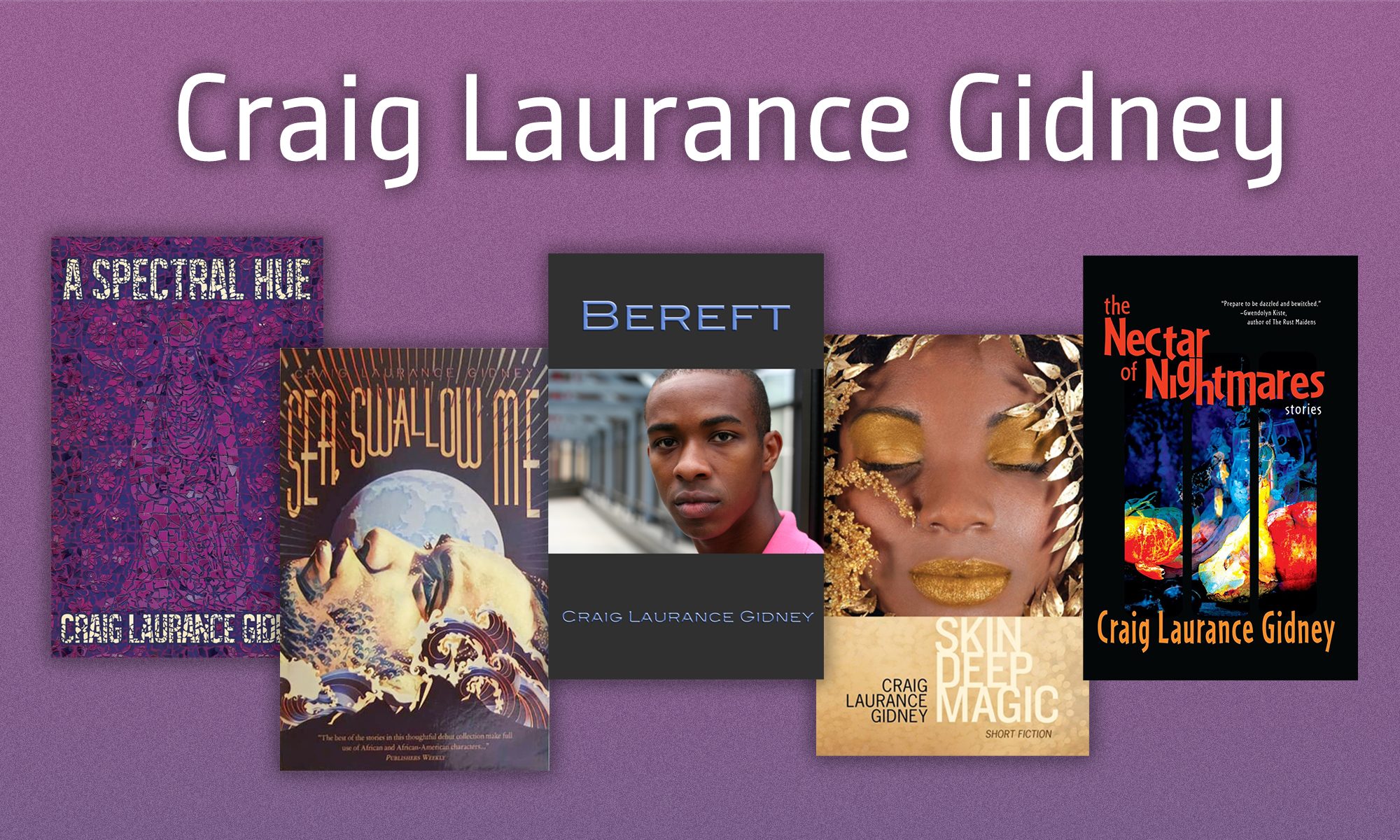

Feel free to distribute! Any help promoting this book is greatly appreciated.
What type of author am I?
Sometimes, I’m marketed as a speculative fiction writer. Other times, as a black gay writer. When I self-published two stories, I cross-marketed myself as a M/M author (along with a dark fantasy tag). And there was the year when I marketed myself as a YA author dealing with the issues of bullying, racism, and homophobia.
Here’s the thing: I hate marketing myself. My preferred elevator pitch—I’m influenced by Tanith Lee, Toni Morrision, Flannery O’Connor, Kafka, Samuel R. Delany and Shirley Jackson—seems to confuse people. To me, even my ‘realistic’ fiction alludes to the fantasy fiction I love, and my fantasy/horror is deeply inspired and influenced by ‘real life’ issues like racism and homophobia. I hate the way gay fiction is often marketed—the parade of glistening torsos and six pack abs do not appeal to me at all and furthermore, doesn’t really reflect my work. I don’t want to be put in the “black/African-American literature” section of the bookstore; it limits my audience and besides my characters are not all POC (or gay, or men). My speculative fiction is ‘literary,’ and my ‘literary’ fiction has tons of allusions to spec fiction.
I think the best way to describe my fiction is Interstitial Fiction. Which only causes even more blank looks. My forthcoming book, Skin Deep Magic, can be marketed in a variety of ways. Allegory, satire, horror, magic, and Gothic forms are represented in the 10 pieces. Race and sexuality are thematic concerns. I can only hope that the book reaches its various audiences.

I finally saw The Fall, a 2009 indie movie by Tarsem Singh. Like Beasts of the Southern Wild and Pan’s Labyrinth, it uses the archetypes of fantastic, imaginative storytelling to mask a bleaker reality. In 1920s California, young immigrant orphan Alexandria is convalescing from an obliquely referenced illness. By chance, she runs into Roy, a stuntman who is convalescing from a suicide attempt. Roy spins fabulist yarns for the 5 year old child, full of whimsy and derring-do. In return, she unwittingly helps Roy with his morphine addiction. The real star is the gorgeous, surreal set pieces that reference paintings by Dali and De Chirico. An extra resonance to the viewing was that I was ill at the time, and needed some fantasy in my life.


The book is currently at the proof stage. The interiors are lovely. As soon as I turn it in to the publisher (Rebel Satori Press), I will have a firm release date and begin to set up events and other promotional activities.
My rating: 3 of 5 stars
What I Learned from this book:
1. Keep your plot in motion. The pacing of this novel is like a juggernaut. Relentless, full of suspense and strong enough to ignore any plot holes or inconsistencies. Hill wastes no time getting to the point.
2. Flawed characters are compelling but I found Vic to be too damaged to care about. I would have liked her to be a little more sympathetic. Maybe if there were more scenes between her and her family during the good times, or a scene or two of her working on the Search Engine books.
3. The Big Bad wasn’t as scary as his henchman, much in the same way that Darth Vader is more compelling than the Emperor. Part of this has to do with the fact that Bing Partridge was flamboyantly evil, and loved raping and torturing his victims. I hated being in his brain and reading from his point of view. Charles Manx, by contrast, is subdued.
4. Some of the writing gimmicks (bolded text and capitalization) were clunky and threw me out of the story. The main gimmick–ending a chapter with a dangling sentence and finishing it in the next chapter–was ingenious.
5. I loved the portmanteau magic system. Cars and motorcycle geekery; magic Scrabble tiles; magic bridges and pocket universes. It was fun and inventive.
6. The author wisely gives the reader plenty of nightmare fuel. Evil children! Haunted amusement parks! A moon with a face! Hill isn’t stingy with the dark surreality; he gives his readers a steady stream.
I learned a lot about crafting dark fantasy/horror fiction from this book. A couple of fine tunings, and this would have been even better.

PARTICIPANTS





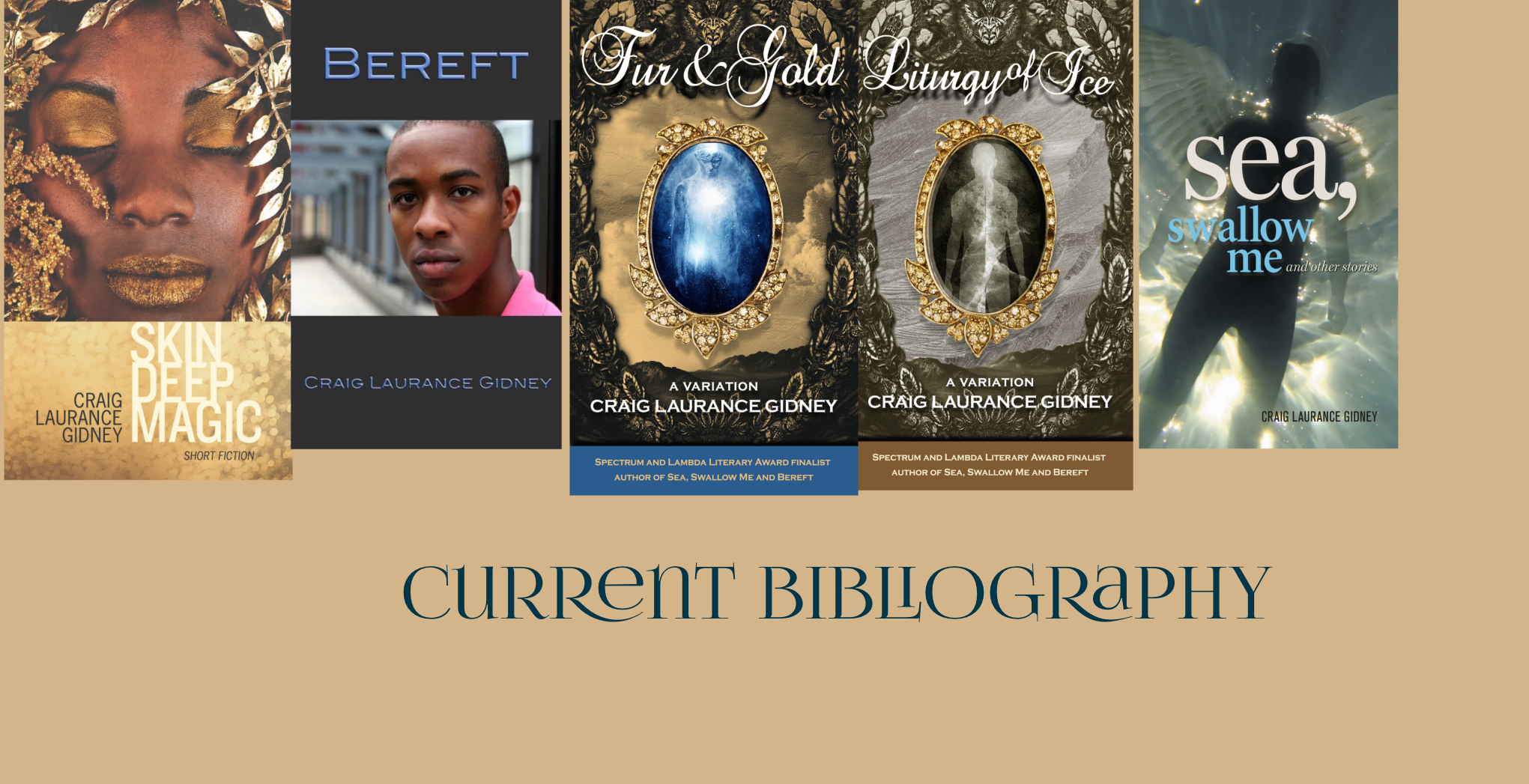
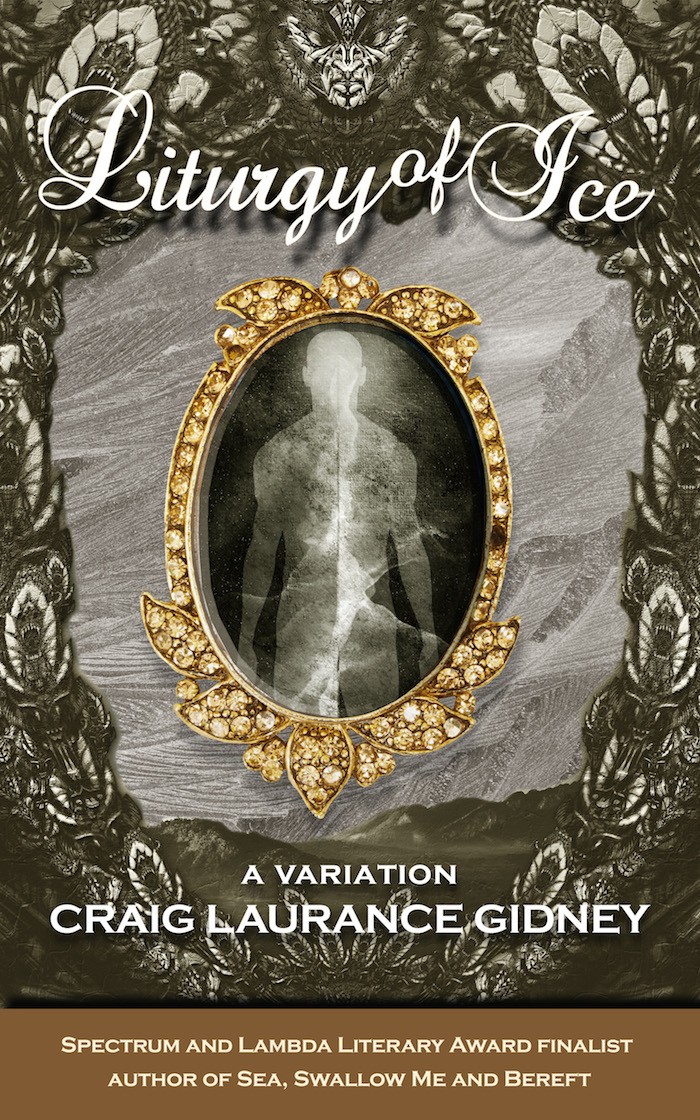
Liturgy of Ice is the second in my self-pubbed eBook series Variations, which are dark fantasy short stories that play with fairytale tropes. LOI takes its cues from The Snow Queen. It should be out next week at the latest. The cover, like the last Variation, is by Thomas Drymon.
The essence of a competent book review, to me, gives a spoiler-free plot summary, a sense of what the author was attempting to accomplish, and addresses the literary technique and method the author employs. Thematic and subtextual analysis is an added bonus, as is contextualizing the work in the wider genre or literary landscape. I have read reviews of books (and other assorted media) where the reviewer absolutely hated the work they were reviewing, but they did such an excellent job of describing the work, that I bought the book/cd/saw the movie. I am not a fan of the “hatchet job,” though there are exceptions.(I often find that “hatchet jobs” are the result of lazy reading or are more about the reviewer than the work in question). The best reviews summon, to quote Barthes, “the pleasure of the text.”
Imagine a postpunk Shirley Jackson, and you have Elizabeth Hand. Like Jackson’s oeuvre, Hand’s stories are heavy on atmosphere and the supernatural occurrences have psychological underpinnings. Her characters are outsiders, artists and damaged people, and when they don’t live in isolation, they live at the periphery of society, in various subcultures.

The opening “Cleopatra Brimstone,” the most conventional `horror’ story here, sets the template. A plain Jane science geek girl gets sexually molested, which starts a transformation in her. Mousy Jane moves to London, gets a job at the London Zoo categorizing butterflies during the day, and becomes the glamorous Goth minx Cleopatra Brimstone at night. Cleopatra has a seductive, mysterious power that Jane doesn’t have that ultimately seals her fate. The climax of the story is morally disturbing, rather than visceral. The writing is lush and richly descriptive, and Hand’s attention to realistic detail anchors her tale.
Several pieces here are clearly autobiographical: “Pavane for a Prince of the Air” is about the death of a hippie shaman and has vague allusions to magic, but is mostly an ode to an odd, beloved free-spirit. “Wonderwall,” set in early 80s DC, is Hand’s eulogy for both her wayward youth and her artistic muse, here portrayed as a queer actor and his alter ego, who succumbs to AIDS. `Calypso in Berlin’ is an effectively creepy monologue about the titular muse making her way in the modern artscene.
Lovers of literary fantasy and modern gothic fiction would do well to check this handsome collection out. Four of the stories appeared in a limited edition volume called “Bibliomancy,” which means `book magic.’ Bibliomancy is precisely what Hand does with her craft.


 Craig Laurance Gidney
You must be logged in to post a comment.