
Here is me reading an excerpt from “Psychometry, or Gone with the Dust,” from my forthcoming collection Skin Deep Magic.
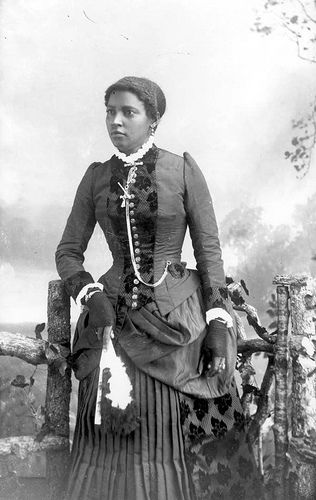
I just submitted a cleaned-up manuscript of my forthcoming collection of dark magical realist fiction that deals with the matter of Race to my publisher. There’s horror, humor, and history in these tales.
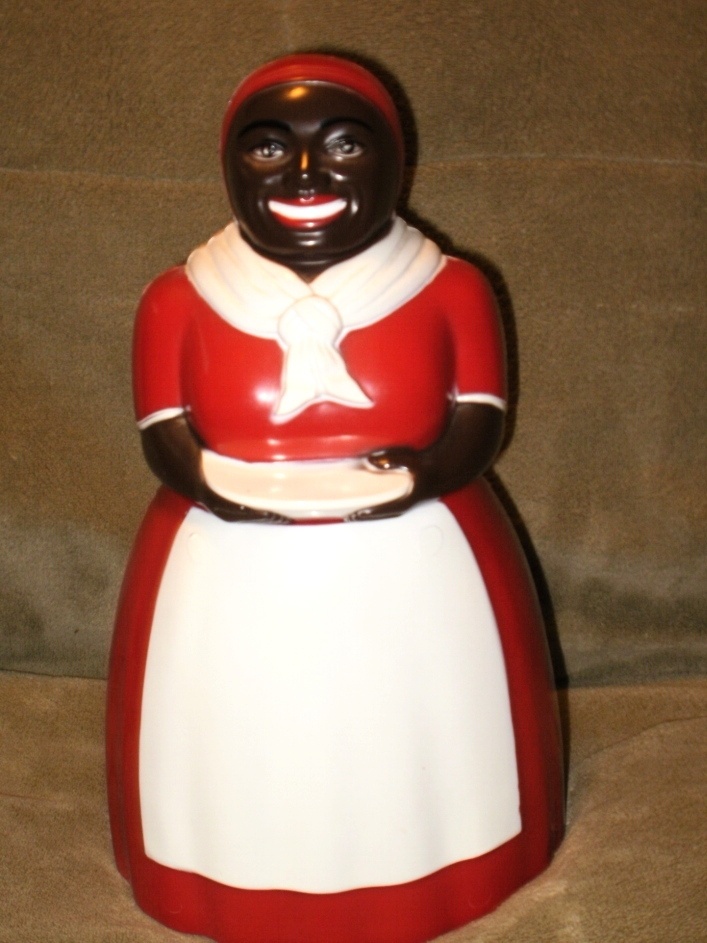
I have created some Pinterest boards that sort of point toward some of the inspirations. The Skin Deep Magic board features images of some of the characters I’m writing about–women from the Victoria era and up to the 40s who feature prominently in some of the tales. The Vintage Racism board shows images of black used in advertising. There are Golliwogs, Aunt Jemimas, and mammy jars.

1. Pyschometry, or Gone With The Dust
2. Sapliing
3. Mauve’s Quilt
4. Lyes
5. Conjuring Shadows
6. Zora’s Destiny
7. Death and Two Maidens
8. Sugardaddy
9. Inscribed
10. Coalrose
Skindeepmagic will be published by Rebel Satori Press.
When I was in Junior High, I interned one afternoon a week at the Chesire Cat Children’s Bookstore. Located in upper Chevy Chase, on the DC side, it was like heaven for a nascent bibliophile like me. (Side note: my version/vision of Heaven would be an endless library of books). The highlight of my time there was when one of the favorite authors did a reading. I was “off the clock” at the time, and to me, writers are rock stars. I was nervous as I presented my copy of her then new book, gushed how much I loved her writing. Then she said something that kind of disappointed me. (And I learned that all idols have feet of clay). She remarked that it was interesting that I was even buying her current book, because it was written for girls.
I remember walking away from that meeting feeling a mixture of “So what?” and a feeling of shame. Junior High is a caste system, where gender roles are rigidly proscribed. I already had been the victim of bullies and if I wasn’t called “faggot” then, it was only because the kids didn’t know the word. Fortunately, I went with the first feeling, and read the “girly” book. And was quite pleased that I had. The novel was one of the author’s best and I heartily recommend it to anyone of any gender for insight into sibling rivalry.
The issue of gender and reading is something that comes up constantly. Every now and then, some (g)as(s)bag will make a fatuous pronouncement about women authors, or claim that they can tell the difference between men and women’s writing. I can’t. I have read slush for both fiction markets and for admissions committees for writing programs, and when you strip away the name, I can not tell. Some of the most “flowery” descriptive language comes from men, and some of the most “cold” and cynical writing comes from women. This goes across genre. In my experience, the reason that people “gender” writing is because they find one gender’s writing inferior and use such words as “sentimental” and “relationship-oriented” to steer “serious” or male readers away.
This is a terrible idea, and boys will miss out on some great literature. If I had followed reading along “appropriate” gender lines, I would have missed books by LeGuin, Joan Didion, Flannery O’Connor, and Alice Walker. Toni Morrison’s underrated novel Tar Baby was, at one point, marketed as Women’s Fiction, since it featured a love story. If I had paid attention to that, I would have missed the rich, mythopoetic subtexts in the novel.
As I grew, I read everything that interested me, whether or not it was written for boys or for girls. One of my favorite books was The Forgotten Beasts of Eld, by Patricia McKillip. When I was researching the author in the library (to write a fan letter), I came across a bit of criticism about the novel being ‘girly.’ It was ‘girly,’ presumably, because the main character is a powerful female wizard who isn’t an ass-kicking action girl. “So what,” I said to myself, thinking that the critic was afraid of girl-cooties and therefore had missed the point of the story.
If women authors have girl cooties, I want to collect said cooties.

http://www.theguardian.com/books/2011/jun/02/vs-naipaul-jane-austen-women-writers
I wrote the story “Quench” after listening to a song by Throwing Muses, entitled “Vicky’s Box,” about twenty years ago. The story is about a lost young man and his sexual compulsions. It’s a kind of realistic horror story, and closely mirrors the sad story of the late Matthew Shepard.
You can read the story over at Wattpad.
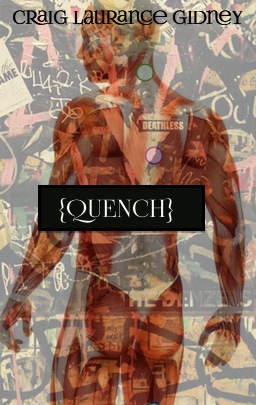
I have a short piece of homoerotic fiction up at Wattpad. It was written for a cancelled anthology about queer punks. It’s set in London and features cameos by Siouxsie Sioux and Sid Vicious. Enjoy Join Hands

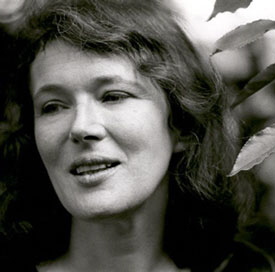
The first Angela Carter fiction I read was her collection Saints and Sinners. I was immediately entranced by the dense, layered symbols embedded like diamonds in her stories, and the baroque prose with which she cloaked her tales. She became an obsession–I devoured everything she wrote, from The Passion of New Eve to The Infernal Desire Machines of Doctor Hoffman. Her work drew from a host of sources, from surrealism to B-movies to fairytales to Jungian psychology. Her work also addressed a variety issues, from feminism to racism without ever being didactic. Her work was fantastic and intellectually robust.
Angela Carter was one of the first authors to show me that fantasy fiction could as philosophically and social engaged as literary fiction. Her work used the tropes of fantastic and surrealistic fiction to examine challenge the mythological roots of our culture.

The Dan Mask features prominently in my YA novel BEREFT. According to the Dan traditions (they live in Liberia), the mask allows the wearer to access the spiritual realm. Rafe’s father, Samuel, owns a mall kiosk that sells African masks. Samuel is very knowledgeable about masks and the spiritual meanings behind them. Rafe looks up to his father, who has had difficulties, legally and financially—and he admires his father for finally achieving some stability. So, in a way, the mask represents his father. The mask, which is gifted to Rafe by his father, also spurs Rafe’s interest in finding out more about African folklore.
Rafe finds out that masks not only hide who your are; but some masks, like the Dan mask, can also reveal things about oneself as well.


 Craig Laurance Gidney
You must be logged in to post a comment.