Existential Horror, 70s-Style in Richard Kelly’s ‘The Box’

I recently saw The Box, a movie by Donnie Darko’s director Richard Kelly, and starring Cameron Diaz and James Marsden. It was on TV, interrupted by commercials for inane things, so I didn’t get the full immersive effect. I don’t think it was a great movie, by any stretch of the imagination, but it was very, very disturbing and mind-trippy.  I won’t rehash the plot, which expands a Twilight Zone style idea/moral quandary, complete with a MacGuffin.

It’s set in the 70s and evokes the feel of the horror movies of the 70s, not just in the costumes (feathered hair, leisure suits) but also in the pacing and the exquisitely crafted mood of dread. The film is wan and washed out and there’s a kind of cinema verite flatness to the acting. Frank Langella, as a Satan character, is terrifying both in his disfigurement and his understated menace. Weird scenes of possession combined with vintage sci-fi effects (sterile, all white labs, portals of hover water) are a complete homage to such horror classics as The Exorcist, The Omen and even Trilogy of Terror. The horror is existential, as the sinister back-story is slowly revealed, and as a viewer, you have to put some of the pieces together.

The Box is not a great film, but it does stick with you.

Fairytale magic in chroma-key, green-screen and shoulder-pads: an appreciation of Faerie Tale Theatre

Back in the 80s, when everyone was wearing neon headbands and parachute pants, I was obsessed with Shelley Duval’s Faerie Tale Theatre. These were live action versions of classic tales, featuring all star casts and notable directors (like Tim Burton). Every weekend, I’d go to the video store and rent a VHS tape.


Lee Remick as The Snow Queen

I recently re-watched their version of “The Snow Queen,” with Melissa Gilbert as Gerda, Lauren Hutton as the Summer Queen and Lee Remick as the titular Snow Queen. The effects are as cheesy as those 70s Dr. Who episodes, the acting somewhat stilted, and the pacing was off. The mood of the piece is off, as well. Are Gerda and Kai supposed to be little kids or young adults? Is it supposed to be scary or funny? In short, it didn’t hold up to my memories. In short, it is very dated.

I like my fairytales dark, and for the most part, Duval’s versions are vectored towards the kids. Still, the series was the spark of my life long interest in fairy tales and folk tales.

Free Gidney Fiction, and my life as a Hybrid author.

I have dipped my toes in the waters of self publishing and started my life as a hybrid author. The idea is to drum up interest in the forthcoming traditionally published collection (Skin Deep Magic, Summer 2014) as well as my slim “backlist.”

It’s kind of addictive, seeing sales charts and having control over promotions and marketing. But I also like having the perks of traditional publishing.

Anyway, my inaugural piece in this exciting new gambit is available for free until the end of this week (March 14, 2014). If you enjoy it, please write a review.

facebook author cover_Fotor


Out of Print Tanith Lee novels: shades of Steampunk and The Wicker Man

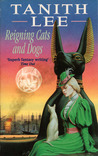
Reigning Cats and DogsReigning Cats and Dogs by Tanith Lee

My rating: 3 of 5 stars

Reigning Cats and Dogs isn’t her best book by a long shot. But it is interesting, none the less. It’s an early entry into the Steampunk genre, crossed with the as-yet-unnamed Mythpunk movement set in an alternate Victorian England. It’s a fever dream novel of secret societies, magic prostitutes, Egyptology, gin palaces and opium dens. It is about a metaphysical battle between Anubis and Bast, and cat and dog imagery abounds. The best parts concern a demonic ghost dog and a cute pair of gay cutpurses. Should be back in print!

When the Lights Go OutWhen the Lights Go Out by Tanith Lee

My rating: 3 of 5 stars

The mistress of dark dreams tries her hand at contemporary weird fiction. It’s set in a small British beach town, in the off-season. The town is home to a strange cult involving sea worship, ritual sacrifices and transformative magic. The plot concerns the rise of a new high priestess for the cult. The novel kind of has the feel of the Wicker Man. The aura of the 90s pervades–references are made to the AIDS crisis and the yuppie class. When The Lights Go Out mixes scenes of supernatural horror with moments of comic tenderness.

Review of ‘Fur & Gold’

My dark fairytale retelling, Fur & Gold, gets a lovely review:

Gidney presents a prequel of Beauty and the Beast, mining from the queer notes of Jean Cocteau’s work as a whole, and the fantastical breaking of boundaries. The Beast here is a more sinuous creature, both savage and beautiful, warring between animal instinct and fleeting grasps of humanity. There is a new sense of the curse from man to beast being an unknowing and tantalizing transgression, rather than a stock moral lesson. This is the start of a series of new fairy tales, so come back for more.

I am currently writing the second in this short series; the series is called Variations.

Microaggresion, explained in the style of Sophia Petrillo.

Picture it: Bethesda Maryland, 1984. A (handsome) black youth of 15 is sitting in the homeroom in tenth grade in a religious, conservative-leaning mostly white school. Homeroom has a radio, which is played before the class begins. The radio is on, playing the shock-jock known as The Greaseman. The Greaseman is doing one of his schticks: racial humor built around the fact that urban black people often have different naming conventions. (“This my daughter, Sy-Phyllis; and here’s her sister Gon’Norhea. Yuck! Yuck! Yuck!”)

Our hero is usually quiet. But this is just too much. He stands up, and turns off the radio, much to the consternation of his classmates. “You’re too sensitive,” they cry. “Don’t you have a sense of humor? YOU have a normal name, why do you care?”

Our hero, somewhat cowed, replies, “I was offended. I think is was” (little voice) “racist.”

Voices are raised; it is the beginning of an adolescent war.

The battle is thwarted, because the teacher stops everyone and says, “He was offended. End of discussion.”

sophia1

The black youth was…. Sophia Petrillo me.

When I heard about this latest fracas, I was immediately reminded of that incident.

The similarities are downright uncanny.

My short story “Fur & Gold” is now available. A fairy tale inspired by Bat for Lashes, Jean Cocteau and Jean Genet

It began with music. Most of my fiction does. I am an unabashed, full fledged music geek. You can tell that from the music reviews I sprinkle throughout this site.

Anyway, the title “Fur & Gold” is the title of a song by Bat for Lashes, the musical project of Natasha Khan. The song is about something else, but the image is so evocative, that I immediately thought of the fairy tale “Beauty and the Beast.” That fairytale was the basis for a beautiful film by the French artist & poet Jean Cocteau. Cocteau produced a dreamy, dark-tinged fairytale movie that adheres to the original. Cocteau is also known for his frankly homoerotic pen and ink drawings. From many accounts, Cocteau was in love with the actor Jean Marais. So I had an idea of realizing the homoerotic tensions felt by Marais and Cocteau in this version. The first image that came to me was of a miraculous rose. Roses figure in the transgressive work of experimental writer Jean Genet.

Fur & Gold combines all of these influences. I hope that you enjoy it. Thanks to Thomas Drymon for the spectacular cover art!

The eBook short is available world wide in the Amazon Kindle shop. ePub and iBook editions will be available shortly!

facebook author cover

Announcing the ‘Variations’ series of dark fairytales by Craig Laurance Gidney

First, some unpleasantness.

In many ways 2013 and the first part of 2014 has not been a good year for me. In September, I was diagnosed with Diabetes Type 2, which I suspect I had earlier. But, since I was uninsured, I hadn’t seen a doctor in over 2 years. Through a change in my diet and an exercise regimen, I have gotten much better. I’ve lost over 20 pounds and now sport some nice glasses. In addition to the Honey Fountain (the Latin name of diabetes mellitus), I also have a wicked case of nasal polyps; I basically can’t smell a thing, and have constant sinus infections. I’m in the process of dealing with this issue—the gears of getting the surgery are starting. Thank God, I’m finally insured. However, these various appointments has led to missing some days at a day job, and recovery for the surgery usually takes a week.

Now, for the good news.

I have decided to self-publish a series of thematically connected short stories. They are dark, homoerotic fantasies that draw on fairy-tale motifs. At the end of the series, I plan to publish a chapbook containing all of the stories,with the help of the DC Public Library’s Espresso Book Machine technology. The idea is not only to test the waters of self-publishing/eBooks, but also drum up interest for my traditionally published collection that’s coming out in this summer.

I’m asking for readers to help spread the word about the series (called ‘Variations’). And, of course, buy and read the pieces when they come out.

Photo by Ellen Datlow

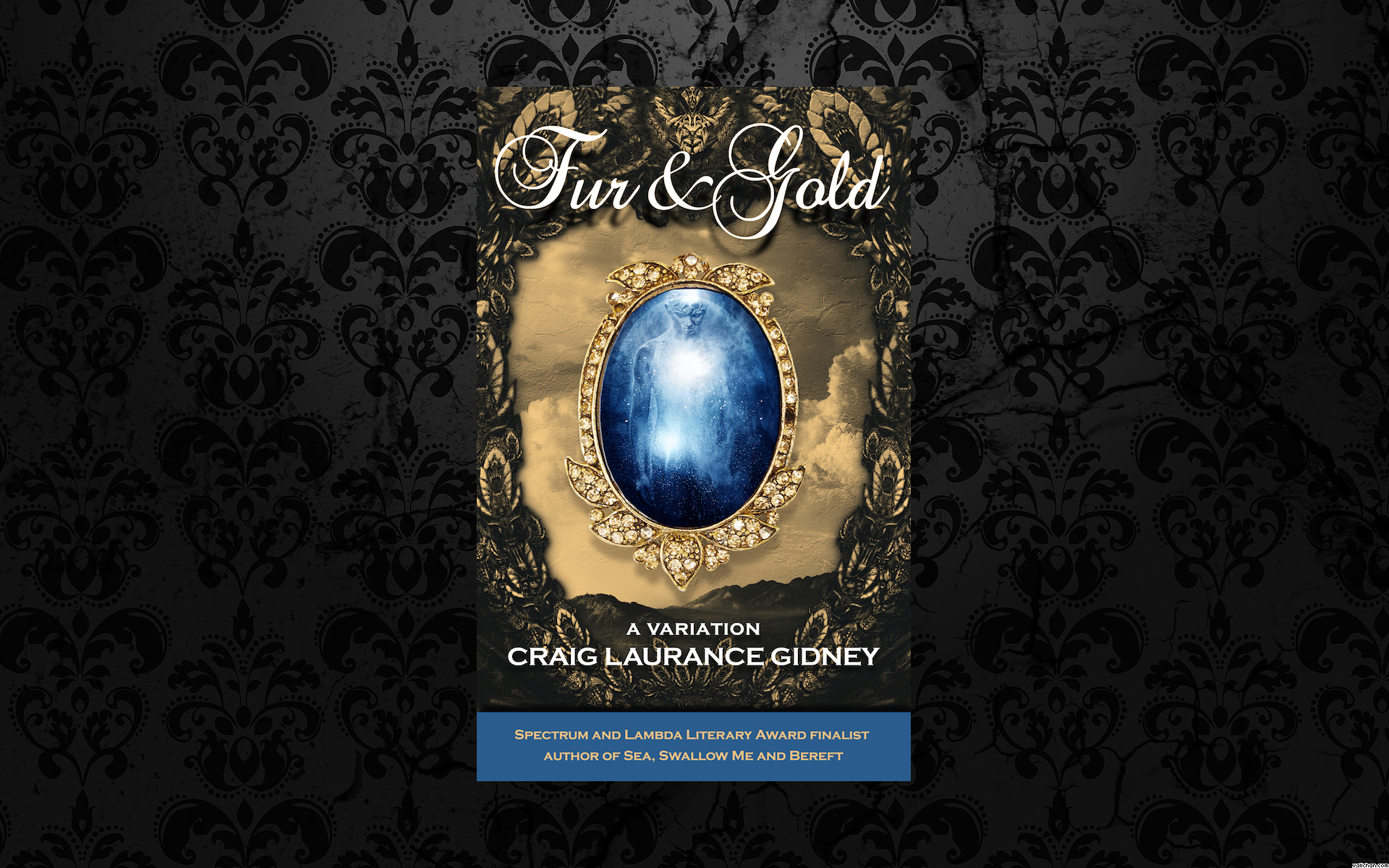
COVER REVEAL: ‘Fur & Gold’, the first of my ‘Variations’ series

I’m publishing a series of stories, called Variations, on the KDP Direct Program. It’s a series that plays with fairytale motifs, with flourishes of horror. The first piece, to be published soon, is called Fur & Gold. It was inspired by Tanith Lee, Angela Carter, the music of Bat for Lashes, the art of Jean Cocteau and transgressive fiction of Jean Genet.

The cover credits are as follows:

Kindle cover art designed and composited by Tom Drymon, drymondesign; images © shutterstock.com, © Nejron Photo, © Willyam Bradberry.

Look for Fur & Gold this Monday (March 3, 2014)!

fur-gold-cover-1

MUSIC: Marissa Nadler & Suzanne Vega. Sirens of Folk-Rock.

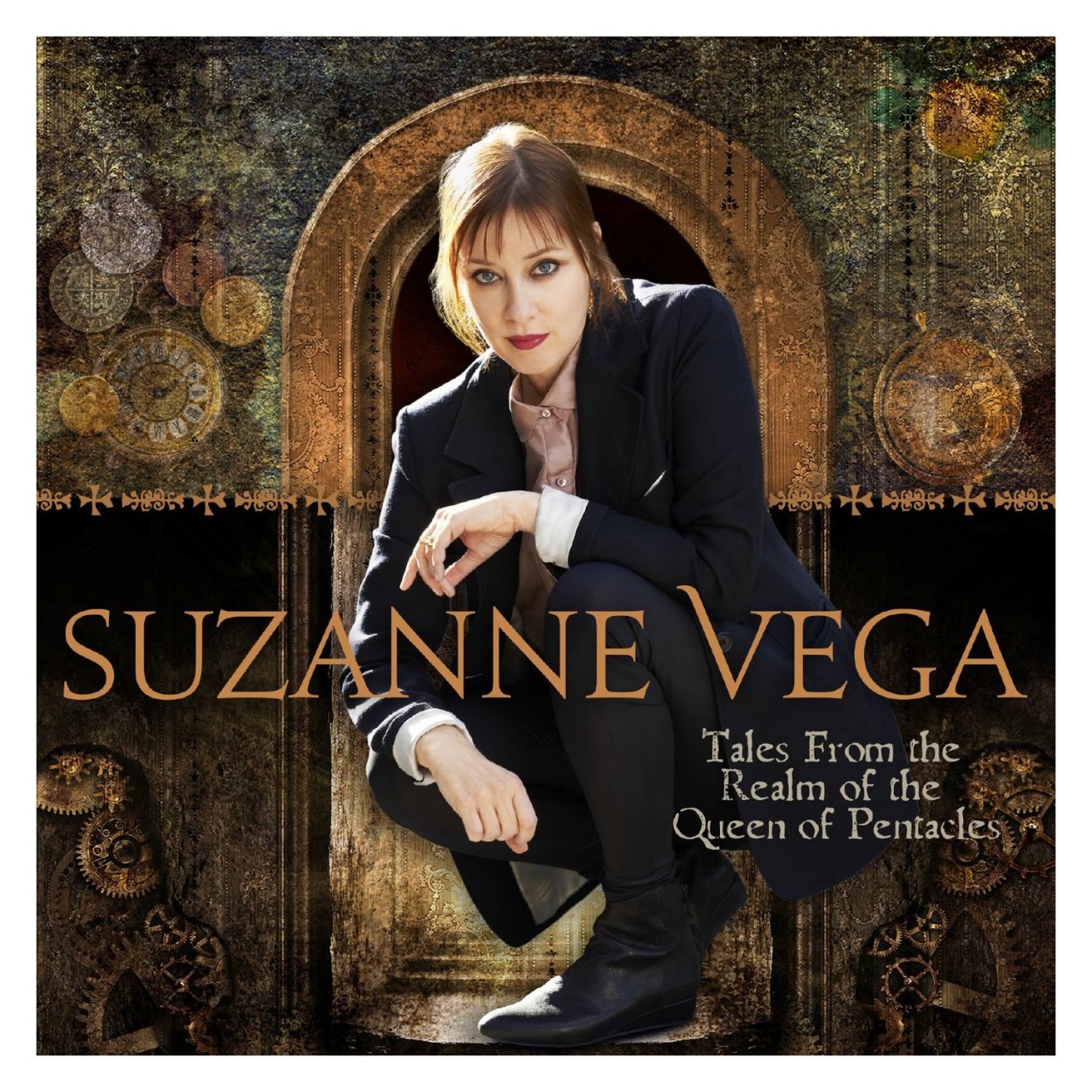
Suzanne Vega: Tales From the Realm of the Queen of Pentacles

Vega

The new Suzanne Vega album is built around a tarot theme. The Knight of Wands, the Fool, and, of course the titular Queen of Pentacles appear in this collection. There are also off-cycle songs, including a retelling of a Biblical story (“Jacob and the Angel“). Vega often gets accused of making the same album– steely, aloof singing and gentle folk with rock and electronic flourishes.  The real star, of course, her lyrics. Vega is one of the true poets of pop music, and each song has meticulously crafted language, full of wit and beauty. Vega’s voice treats each phrase as if it were a precious jewel. Her melodies never meander; she has a healthy respect for form. TFTROTQOF, like all of Vega’s work, make me feel like I’ve finished reading a deckle-edged short story collection, set in an elegant serif font.

Marissa Nadler: July

02-12-Discs-Marissa-Nadler-July

The doom-laden folk of Nadler conjures up images of ghostly girls, garbed in diaphanous lace gowns, old Victorian houses mouldering in ruin, and faded, sepia-tinged daguerreotypes.  The songs, even those set in the present day, are full of expertly culled minor keys, reverbed guitars, and her lush mezzo-soprano voice. Her lyrics are literate, but they are not the point. The point is the sultry funereal atmosphere. It’s a dark jewel of an album.